Change within the DSI Supervisory Board
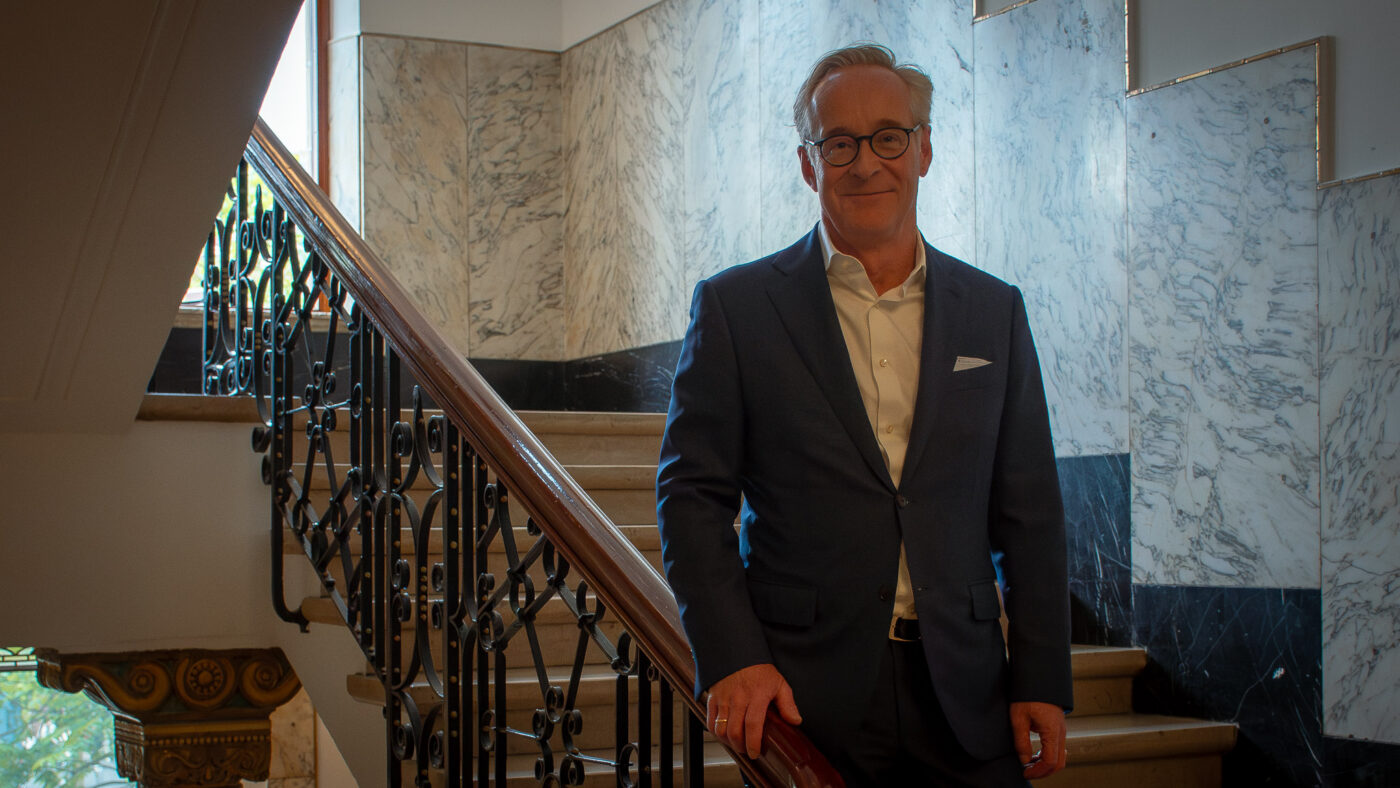
Change within the DSI Supervisory Board
“The profession is changing, but people continue to make the difference.”
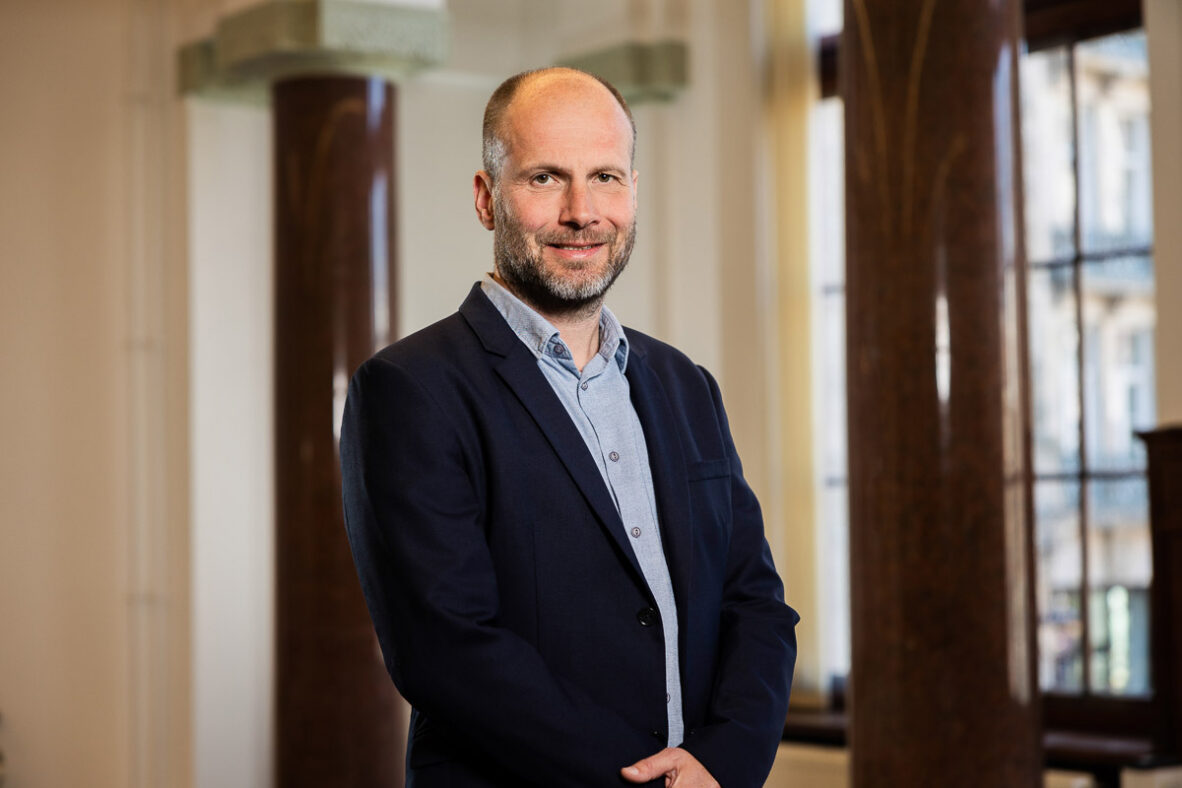
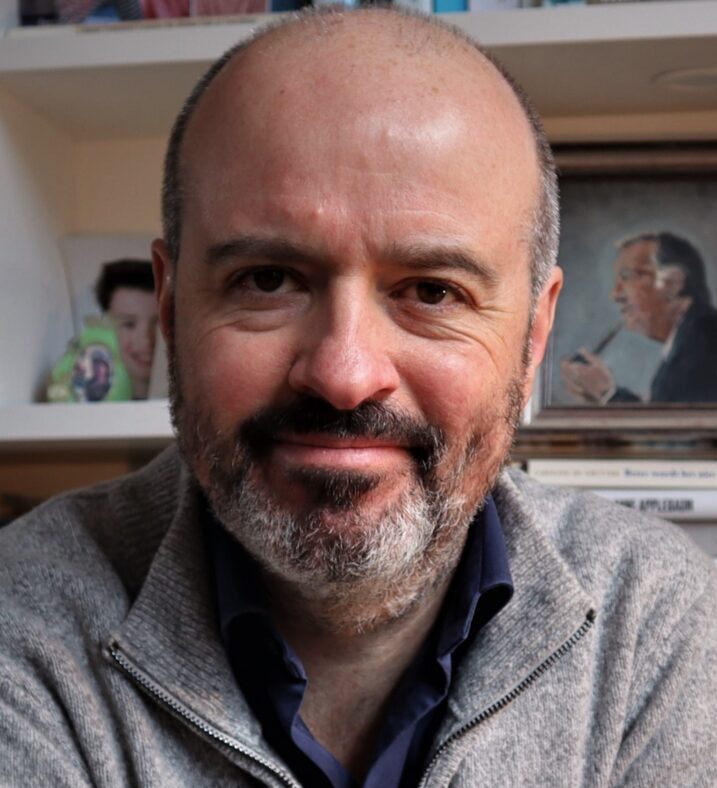
With the retirement of Theo Andringa and the arrival of Pieter Furnée, DSI welcomes a new member to its Supervisory Board. A conversation about the development of the financial sector and the role that professional competence and integrity continue to play in it.
In recent years, DSI has developed from an organization that primarily certifies to a platform that also plays an increasingly explicit role in setting the agenda and identifying developments related to professionalism and integrity in the financial sector. With the departure of Theo Andringa from the Supervisory Board and the arrival of Pieter Furnée, this movement becomes visible from two different perspectives: looking back at how this role came into being and looking ahead to where it is going.
Back to the core
For Theo Andringa, his involvement with DSI began at a time when the organization looked fundamentally different. At the time, the board consisted of representatives of industry associations, each of whom thought about the direction from the perspective of their own constituencies. “If you go back to those days, the discussions mainly revolved around the question of how DSI related to the different parts of the industry,” Andringa looks back. “Surely you had a kind of natural division between retail and institutional. That was also in the way topics were looked at.”
“Digitization and automation are moving so fast that the profession is constantly changing. But that does not mean that the role of the professional is disappearing. On the contrary. On the contrary, the conversation with the customer is becoming more important.”
That structure has changed over the years. DSI was governed by a board and management until 2023, when the organization switched to a Supervisory Board model with a director-manager. Andringa experienced that transition himself. According to him, it also changed the substantive focus of the organization. Less from the interests of individual groups, more from the development of the sector as a whole. “You noticed that the conversation became less and less about who represents which constituency, and more about what the market as a whole needs.”
A tipping point in the course
A key moment in that development, according to Andringa, has been the decision to stop screening. “If I had to pinpoint one moment when DSI really took a different course, that decision is it,” he says. “That put the full focus back on what DSI was once founded for: promoting professionalism and integrity in the financial sector.” According to him, this was not only an organizational choice, but also a substantive repositioning. Returning to the core created space to look more broadly at DSI’s role. “You saw that the sector itself was also changing. Then it is not enough just to test whether someone meets the requirements. The question becomes more and more: what does tomorrow’s work mean for professionals today?”
From certifying to interpreting
This movement fits a sector that is changing at a rapid pace. Digitization and automation are affecting the role of the financial professional, both in consulting and in day-to-day practice. “Much of the technical work is becoming increasingly centralized or automated,” says Andringa. “But that does not mean that the role of the professional is disappearing. On the contrary. On the contrary, the conversation with the customer is becoming more important.” In doing so, the content of that conversation is shifting. Less about products and portfolios, more about goals, trust and the human side of wealth accumulation. “Especially when it comes to money, there will always be a need for someone who thinks along, guides and gives confidence.”
A new phase for DSI
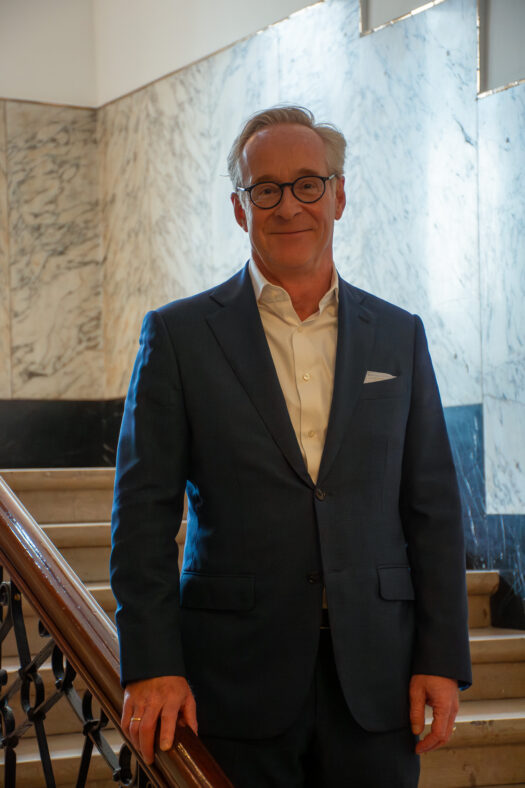
That changing context is exactly why DSI is increasingly taking a broader role in the industry, according to Pieter Furnée. Furnée knows DSI from the inside. He was a registered investment advisor and asset manager for more than 20 years and worked in various roles in the institutional and retail investment world. During that time, he also managed and assessed DSI-certified professionals.
“As a result, I know what professionalism and integrity mean when it comes down to it. Not as concepts, but as behavior under pressure,” he says. That realization didn’t come about because of one specific event. “In financial services, sometimes you share more with your advisor than with your own family: your assets, your concerns and your vulnerabilities. That trust is not a given. It’s something you earn and can lose every day.”
According to Furnée, careful handling of that trust is therefore not a rule you follow but the basis of the profession. What appeals to him about DSI’s current development is the movement toward a platform that not only certifies, but also brings content and dialogue on topics that affect the industry, such as AI and sustainability. “These are topics that are radically changing the work of financial professionals. That is where there is a need for interpretation and that is where DSI can play a valuable role.”
What does that require of professionals?
That development, according to Furnée, also requires something of the professionals themselves. “Staying flexible, staying curious and willing to keep learning,” he says. “The profession is changing faster than ever. Then you have to move with it.” He sees his role on the Supervisory Board as a logical next step after a long career in the financial sector and increasingly in supervision and governance. “After all those years in different parts of the sector, this feels like a natural and meaningful step. I am happy to contribute to the next phase of DSI.”
Professionalism and integrity are not something you hand over to an algorithm. I hope professionals continue to associate DSI with an organization that has empowered them in just that.”
Continue to follow what is happening
For Andringa, the core of that next phase lies primarily in staying connected to industry practices. “Keep following the consultant, in both B2C and B2B,” he says. “And follow what is changing in laws and regulations and in the market itself. That pace is fast.” He says that is essential to staying relevant for professionals. “Digitalization and automation are moving so fast that the profession is constantly changing. Then you have to stay close as an organization and make sure you are proactive and up to date.”
Two perspectives, one movement
Whereas Andringa looks back on a development in which DSI has refocused on its core, Furnée looks primarily ahead to the broadening of that role. “What appeals to me is that DSI not only tests, but also provides direction,” he says. “Especially in a sector that is changing so fast, that is important.” He hopes DSI will remain relevant to financial professionals in the years to come.
“AI will change or take over a lot of work, but the main question remains what is the added value of humans in this profession. Professionalism and integrity are not something you hand over to an algorithm. I hope professionals will continue to associate DSI with an organization that has strengthened them in just that.”
Together, they thus outline two sides of the same movement: from certifying to also inspiring, and from controlling to interpreting. A development that both believe cannot be separated from what is happening in the financial sector itself.
Background Pieter Furnée
- Non-executive director & member investment committee, Pension Fund Metal (Belgium): supervisory and governance experience from the institutional investment world
- Head of Client Coverage Benelux, DWS: responsible for all client segments: wholesale, corporate and institutional
- Global Head of Responsible Investing Coverage, DWS: led global client dialogue on ESG and SRI; strategic focus on integration of ESG into investment process
- Manager Fund Mosaic, NNEK: asset management product with model portfolios through financial intermediaries
- Business Manager Asset Management, Zurich Insurance.
- DSI-registered since 1999 as an investment advisor and asset manager; knows the industry and the certified professional inside out
With appreciation for thirteen years of involvement
Theo Andringa played an important role in the development of DSI for over thirteen years. With his experience, commitment and genuine interest in the people behind the sector, he was a valued director and supervisor. From his broad network, including as chairman of the VV&A, he was always able to link developments in the market to the question of what professionals need to exercise their profession well and with integrity. His contribution went beyond administrative supervision alone; Theo thought along, asked the right questions and kept DSI focused on its social role. We look back on his efforts with great appreciation and thank him warmly for everything he has meant to DSI.
Floris Mreijen Director DSI