Rost van Tonningen: ‘It’s about having the right conversation’

Acting with integrity is a challenge for any organization. Laws and regulations are constantly changing. The context is dynamic. Situations arise time and again in which you have to take a careful and explainable decision, with an eye for all stakeholders. But how do you put this into practice, for example in the financial sector?
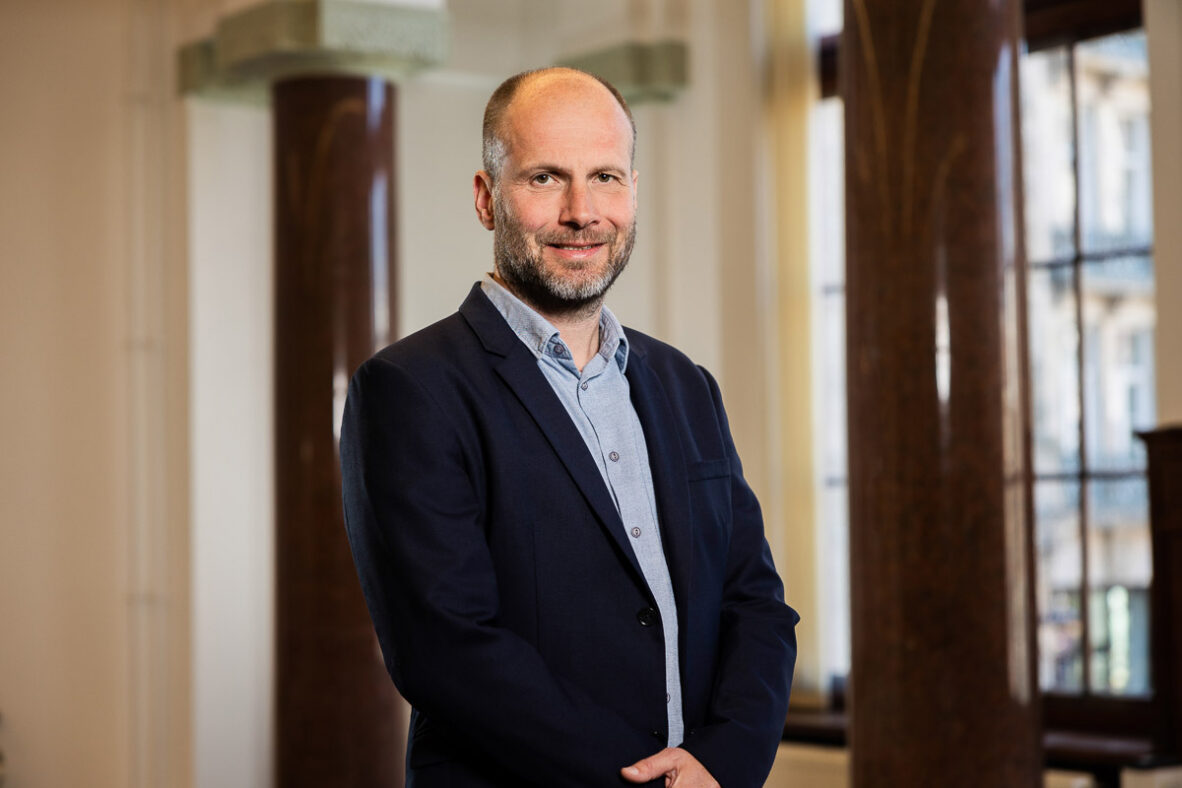
According to Françoise Rost van Tonningen, the new chair of DSI’s Integrity Advisory Committee and former head of the Global Ethics Office (formerly Bureau of Ethics) at Rabobank, integrity is not just about complying with rules. Above all, it’s about having the right conversation. ‘Both complying with rules and stimulating the conversation about dilemmas contribute to more integer organizations.’Rost van Tonningen takes over the role from Jos Hillen, who has filled the position with dedication in recent years. DSI thanks Jos Hillen for his active contribution, using his knowledge and experience to move the industry forward in the field of integrity.
The power of ethical reflection
Rost van Tonningen sees integrity and ethics as an ongoing process. ‘Integrity is about acting honestly, reliably and responsibly. In addition to complying with laws and regulations, stimulating ethical reflection is crucial. It means actively discussing dilemmas and thinking about moral choices. What can and can’t be done, but do you want to? It is precisely in gray areas that the opportunity arises to show as an organization what you stand for. This also applies to new developments without a legal framework, where you have to take a stand anyway.’
One effective way to strengthen this culture is to encourage dialogue and awareness. ‘Many organizations set up ethics committees and counters where employees can go with questions. In addition, it helps if employees learn a structured approach, such as dilemma training and case discussions. Through prior judgment or moral deliberation, moral jurisprudence is created. This is a valuable collection of insights that provides direction for new, similar issues.’
According to Rost van Tonningen, this approach contributes to a more integer organization. ‘Not by dictating what is right or wrong, but by having the conversation. It is precisely in that conversation that it becomes clear how best to act. By first making all perspectives and arguments explicit, you can make well-considered decisions. Sometimes this reveals that a policy or procedure is difficult to implement in practice. This conversation helps find workable solutions.’
Current Challenges: Responsible AI and geopolitics
The challenges facing the industry have changed in recent years. Digitization and responsible AI bring new integrity questions. ‘If an investment fund is driven entirely by an algorithm, who bears responsibility? Who asks the ethical questions?’
Geopolitics also plays an increasing role. ‘Ten years ago, the ethical implications of investments or presence in certain countries were hardly discussed. Now it has become an integral part of the governance agenda. Banks and investment funds must ask themselves not only what is possible and permissible, but also what is desirable. That’s an ethical conversation you have to have continuously as an organization.’
Where is the greatest resistance?
Although more and more companies subscribe to the importance of integrity, practice is often unruly. ‘Pressure on targets, high workloads and the drive to achieve commercial success make it difficult to discuss ethical dilemmas. If employees only have to fill in checklists, there is little room for reflection. While that is essential to make an informed decision that can benefit the organization financially or have a positive impact on its reputation.’
Within organizations, collaboration between different departments is essential. ‘After all, there are diverse perspectives and responsibilities. The key is cooperation: making sure there are no partitions to optimally implement acting with integrity. This is also crucial for the long-term perspective of the organization. To inspire employees, it helps to share best practices.’
DSI’s role: dialogue as key
Rost van Tonningen sees an important role for DSI in facilitating the dialogue about integrity within the financial sector. ‘DSI is in a unique position to bring the sector together. Certification and professional competence are the basis, but the real difference is made by providing space for honest conversations about integrity in daily work.’
Specifically, how does DSI help?
‘What I appreciate about DSI is that they go beyond certification. Professionals affiliated with DSI are required to follow an integrity module as part of their certification. This makes knowledge about and experience with integrity dilemmas not only an integral part of their professional competence, but also a structural topic of discussion within the industry. This is essential, because “one individual may be certified and motivated to act with integrity, but if the culture in an organization does not move with it, it becomes a lot harder,” Rost van Tonningen said.
Themes and dialogue on current integrity issues
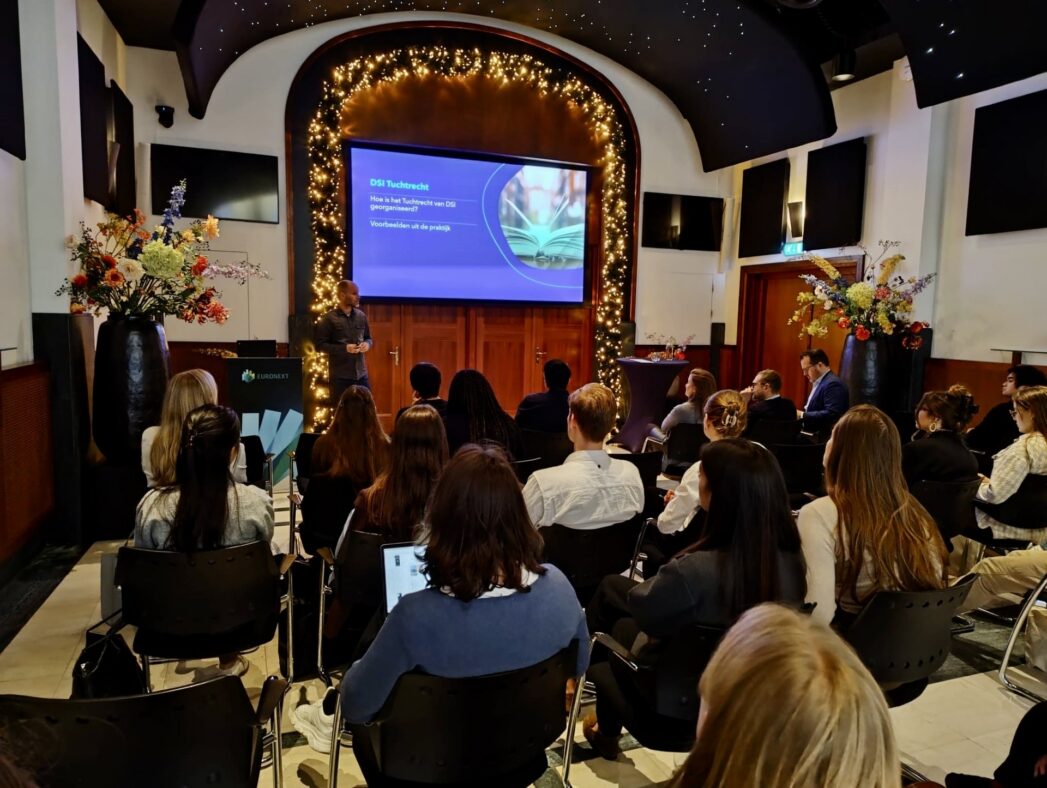
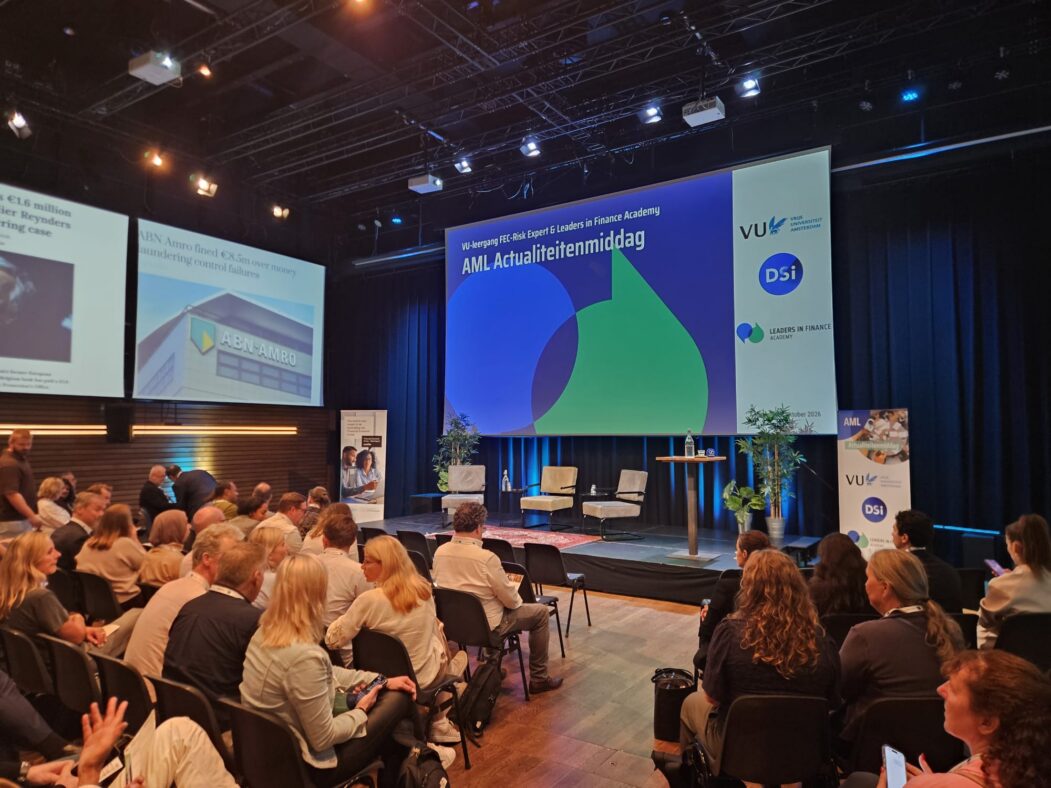
She sees that in recent years DSI has been increasingly active in facilitating dialogue on current integrity issues. ‘Last year, for example, they took a thematic approach around greenwashing, where professionals from different parts of the sector could share their experiences and dilemmas. This year they are focusing on sustainable finance and digitalization, topics that are having an increasing impact on the work of financial professionals. I think that’s a good development. There is a lot of talk about the technology behind digitalization and responsible AI, but “the part about integrity and dilemmas could easily be discussed more. There lies an important challenge and opportunity to use new technological developments responsibly.”‘
As a professional, what if you identify an integrity problem?
According to Rost van Tonningen, it is very important that professionals in the sector not only know what the rules are, but also where they can turn if they identify an integrity issue. Ideally you should discuss ethical dilemmas at an early stage within your own organization, so that together you can arrive at a careful and explainable point of view. Prevention is better than cure, and integrity should be a regular topic of discussion within teams and the board.’
However, when a situation goes beyond an internal dilemma and potentially involves an integrity violation, financial professionals can file a report with DSI. This is based on the DSI Code of Conduct and can lead to disciplinary proceedings. ‘This helps not only to address abuses, but also to improve the sector as a whole,’ Rost van Tonningen said.
Call to industry
Rules and supervision alone are not enough for a sustainable and honourable sector. Rost van Tonningen sees it as a joint responsibility of companies, government, regulators and organizations such as DSI. ‘We must look beyond tick boxes. You bring integrity further by having the conversation. What you take for granted may not be so for your colleague. What do we really find important? And how do we ensure that we are not only compliant, but also morally do the right thing?’
For professionals in the sector, she has a clear message: “Dare to enter the conversation. Discuss difficult issues at an early stage, ask questions and challenge each other to look beyond the letter of the law if there is one. Only then can we as a sector earn the trust of society.’
DSI thanks Jos Hillen
With the appointment of Françoise Rost van Tonningen as the new Chair of the Integrity Advisory Committee, DSI bids farewell to Jos Hillen in this role. DSI is grateful to him for his commitment and active contribution to the work of DSI in recent years, both for the Integrity Advisory Committee and before that as chairman of the DSI Disciplinary Committee. His knowledge and experience have played an important role in strengthening the dialogue on integrity within the financial sector.